Phase 1
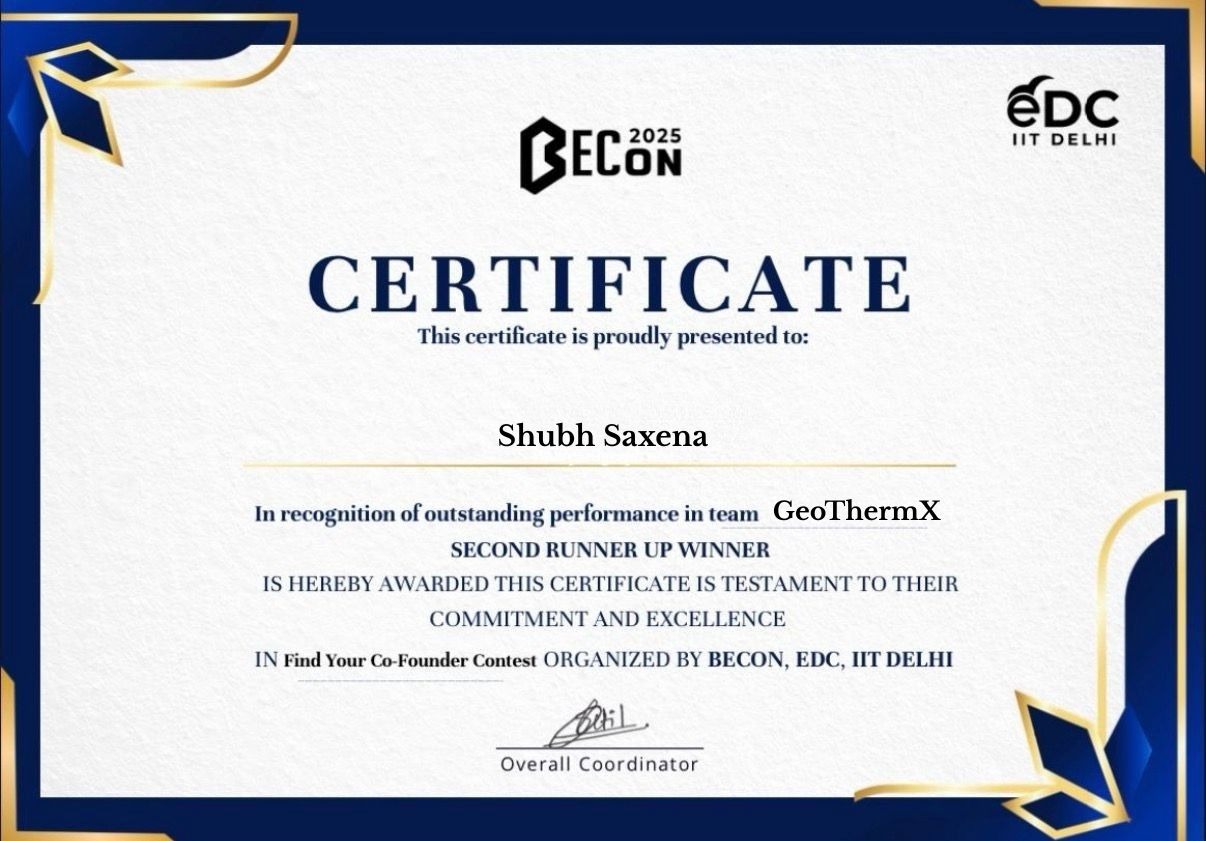
Phase 1 marks the beginning of GeothermX. The idea started when Shubh noticed high electricity bills due to air conditioning and questioned why cooling uses so much energy. He explored alternatives and discovered geothermal cooling, which is widely used globally but underutilized in India. After sharing the idea with friends, it was presented at IIT Delhi’s The Midas Touch startup competition, where it secured runner-up position. This recognition validated the idea and led to the formation of GeothermX.
Phase 2
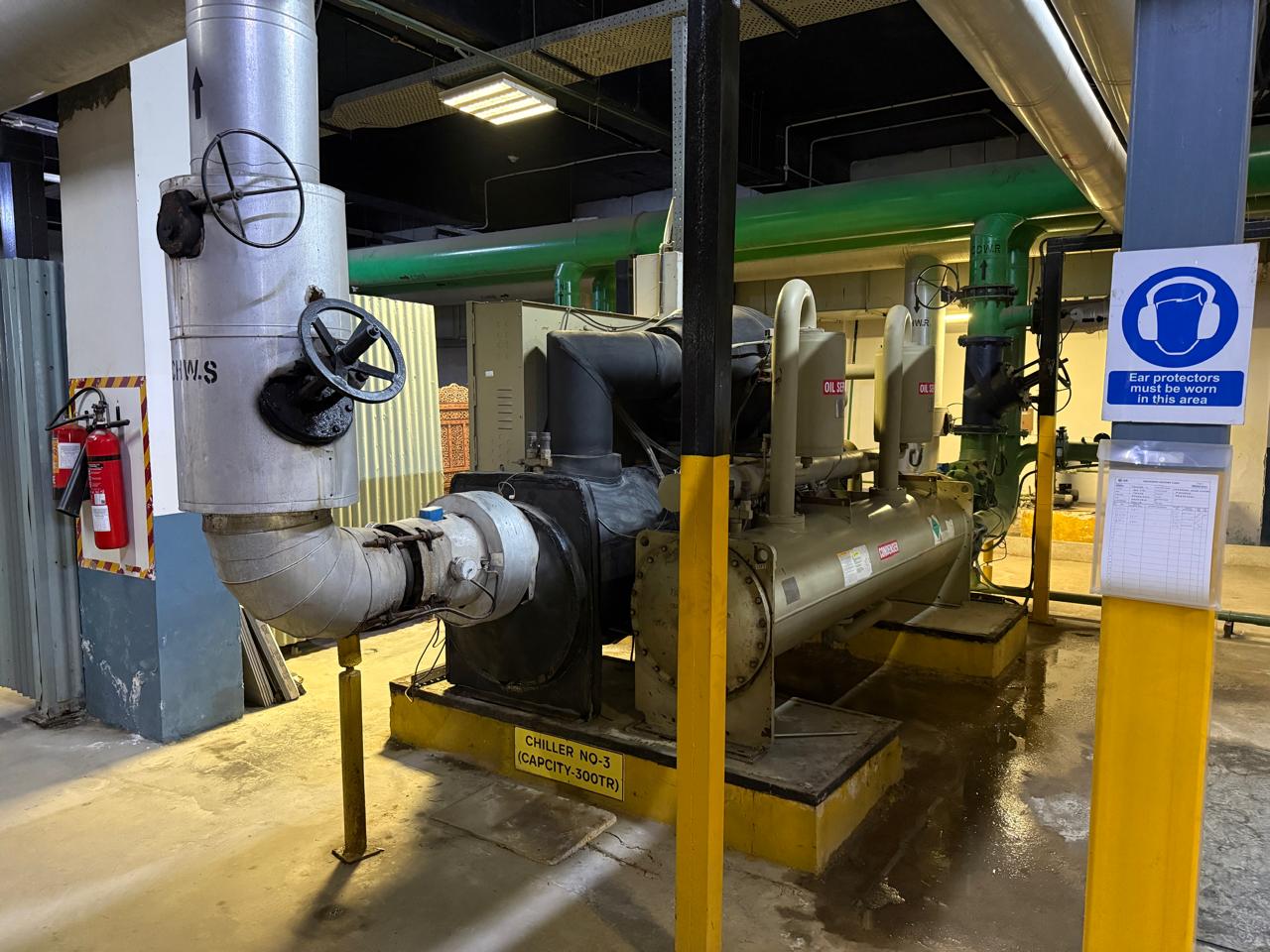
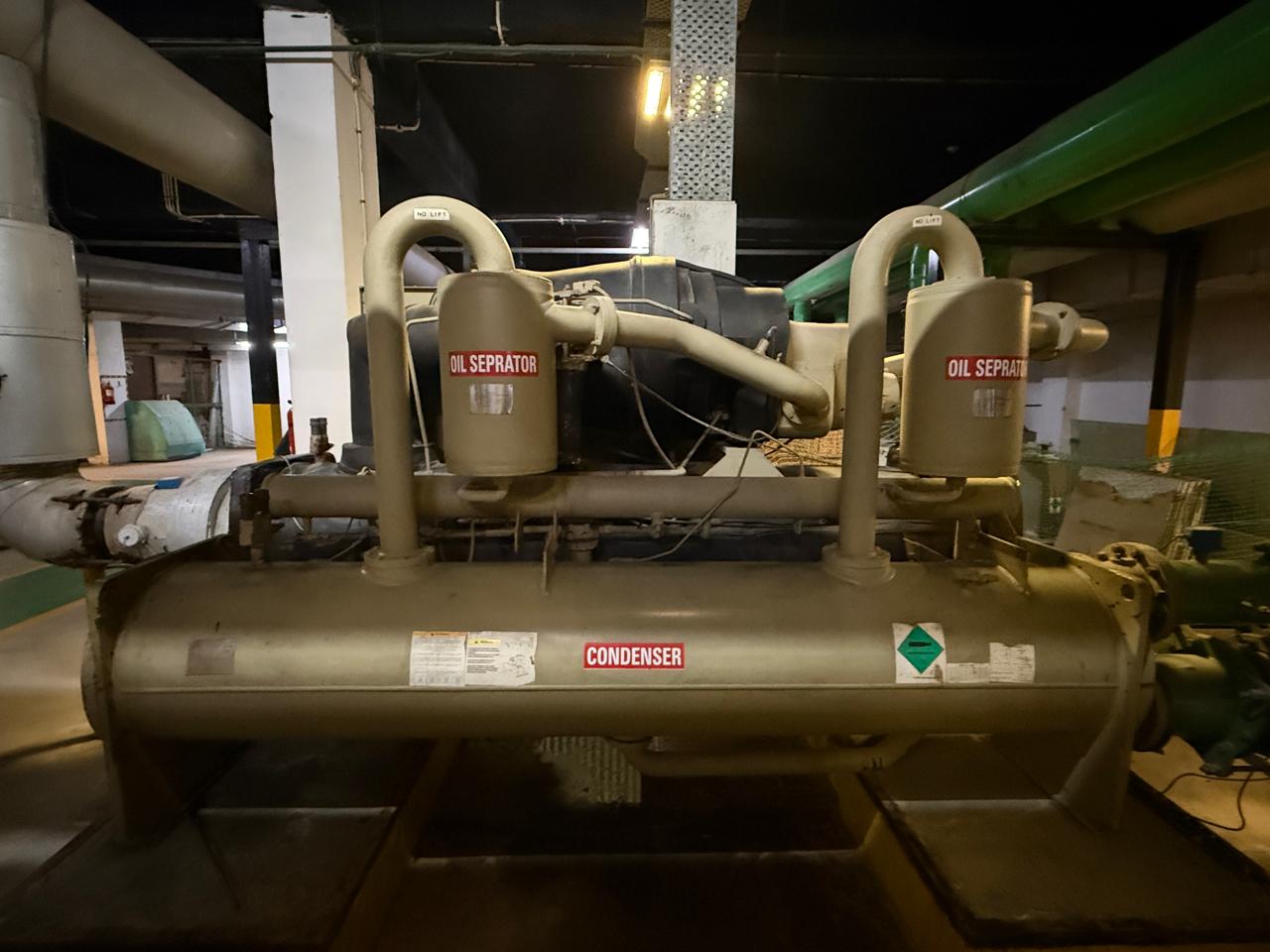
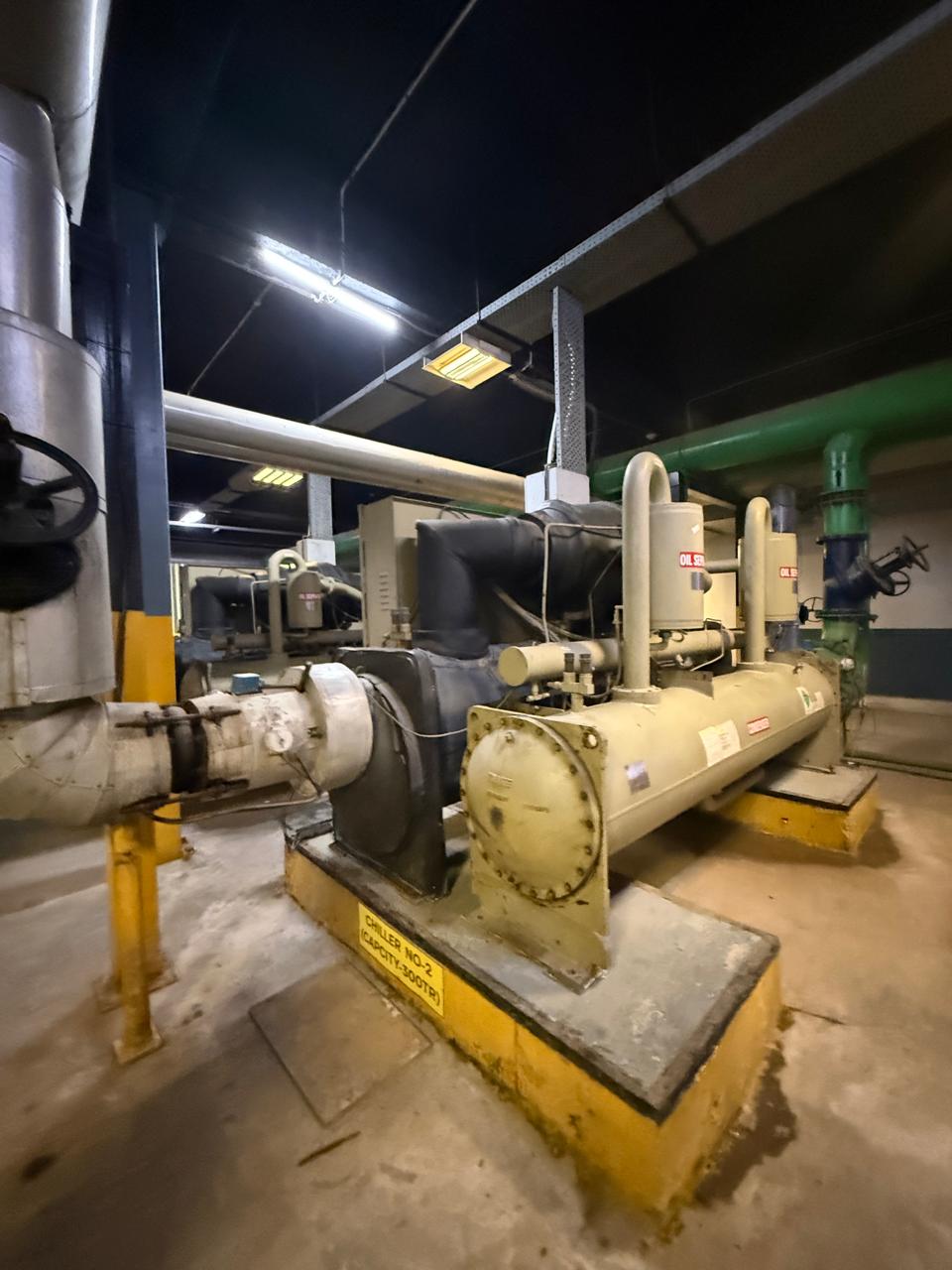
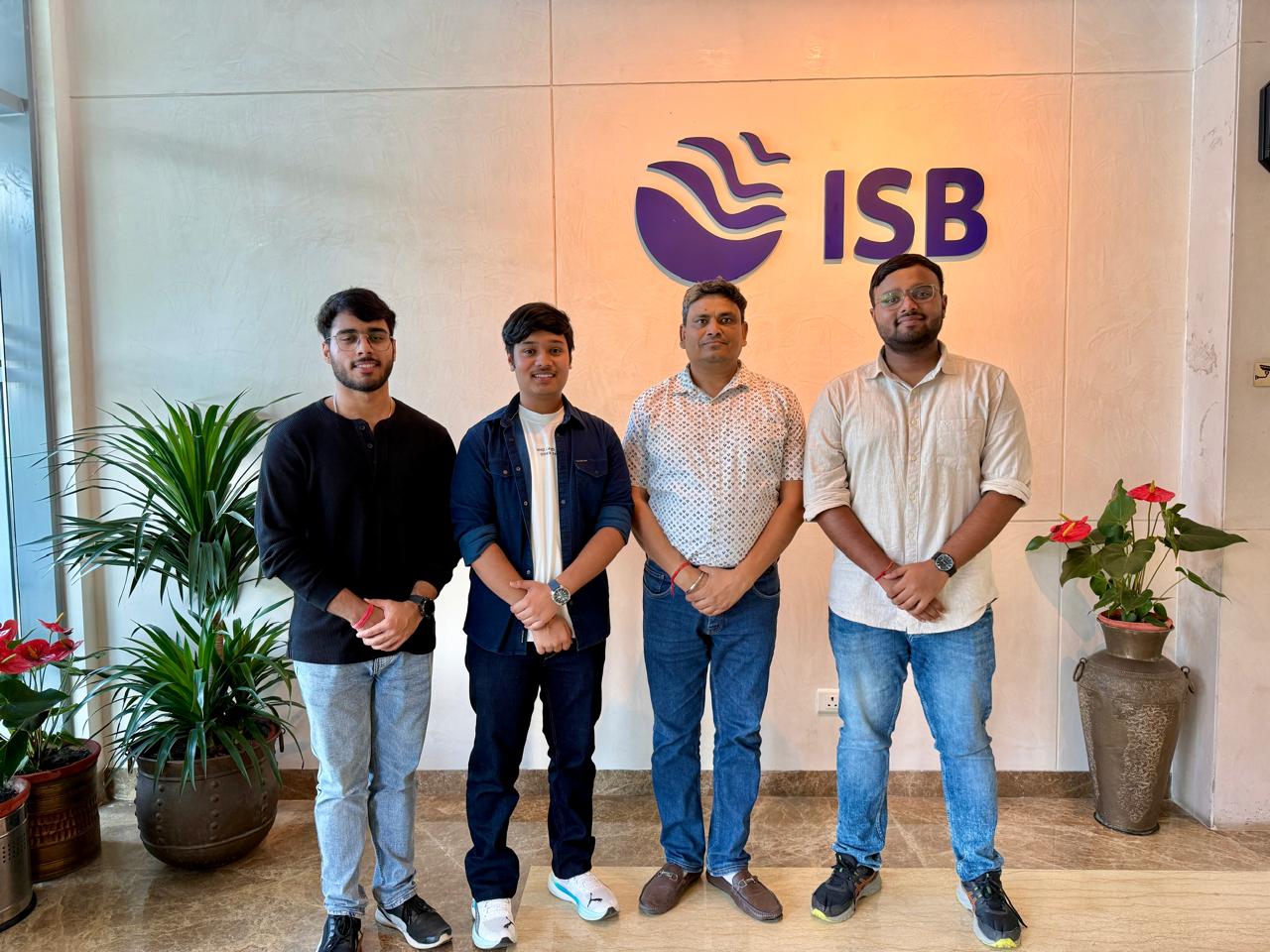
In Phase 2, after validating the idea with IITs and incubators, GeothermX moved into proper research and development. The team got a workspace through a Venture Lab pre-incubation program, which helped with team building, collaboration, and structured technical work. They also visited ISB Mohali to study a real geothermal air-conditioning system in operation. This visit gave practical insights into how the system looks, how its parts work together, and the real challenges of installation, maintenance, and scalability. Overall, this phase helped connect theory with real-world application and refine GeothermX's geothermal cooling approach.
Phase 3
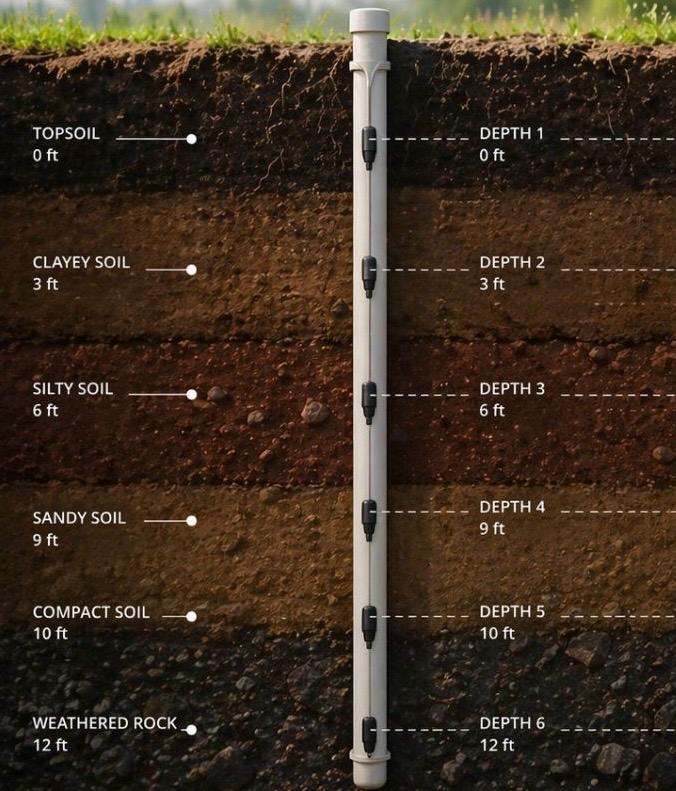
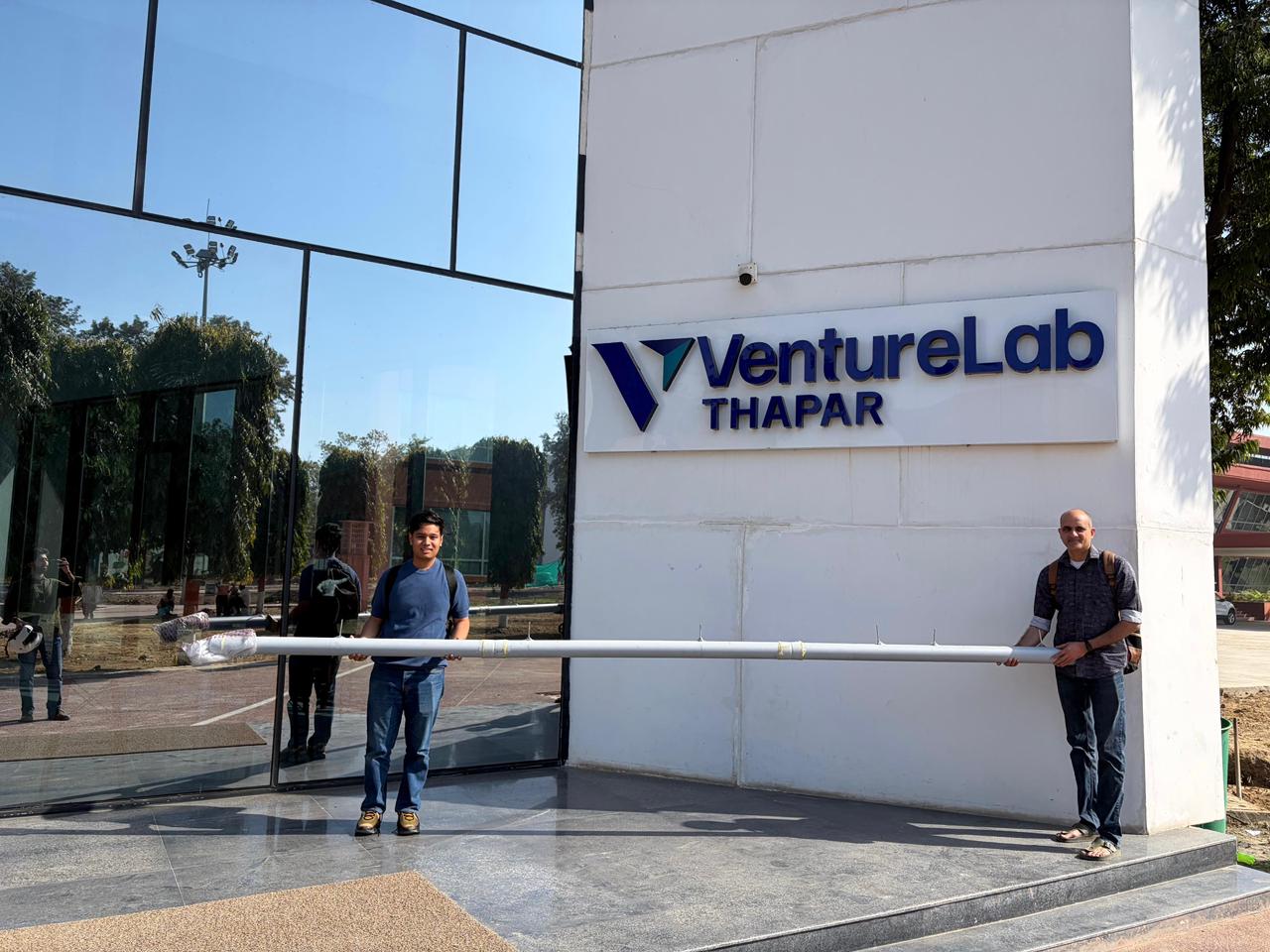
With a strong research foundation in place, Phase 3 began with ideation of our ground temperature sensing system, a key step toward making geothermal cooling more practical and data-driven. By focusing on how underground temperatures vary with depth and time, we started developing a sensing approach that could guide better system design and performance optimization. This phase also marked an important milestone as our startup was incubated at the Venture Lab, being part of the incubation ecosystem helped us move faster from concept to implementation.
Phase 4
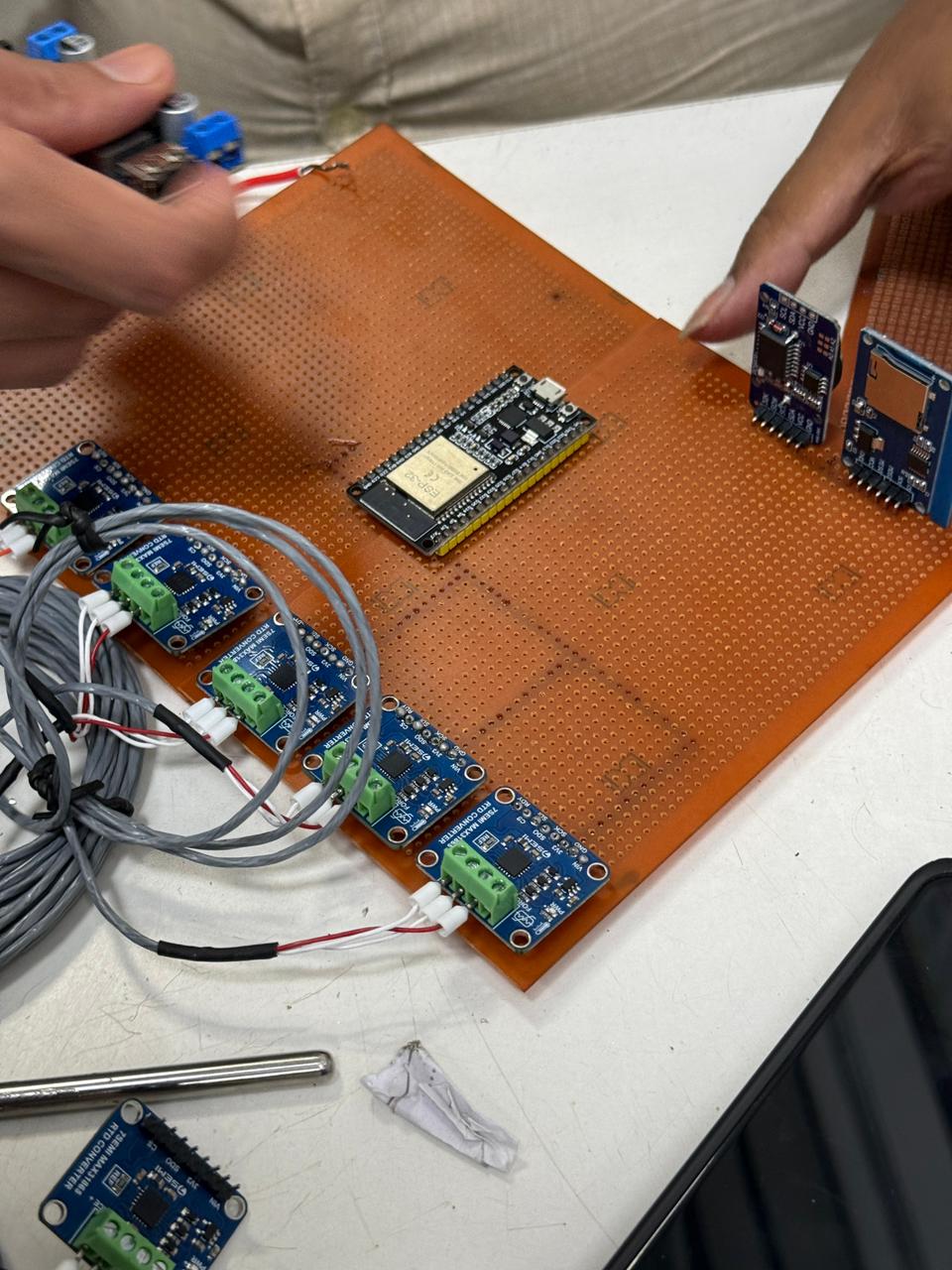
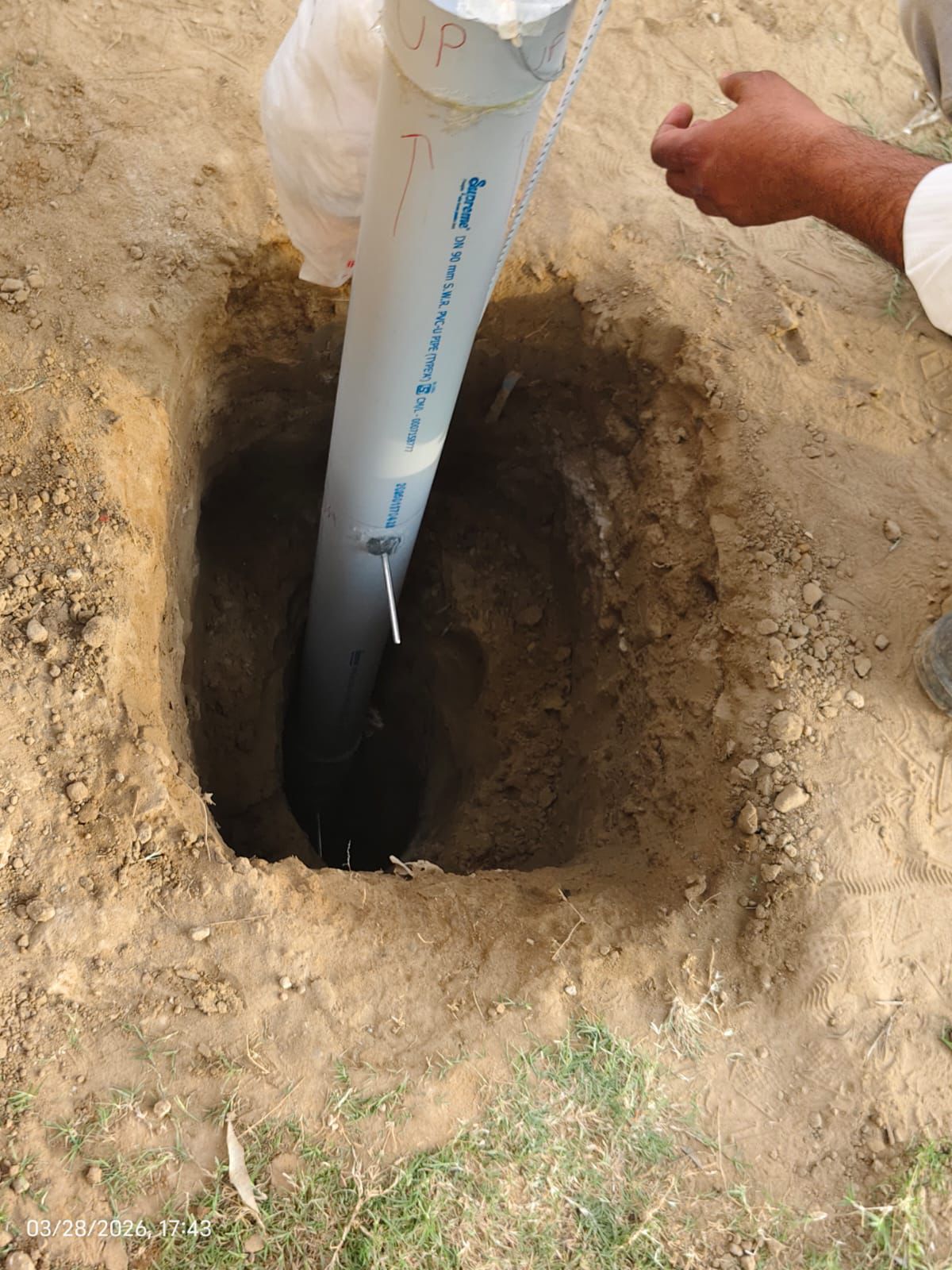
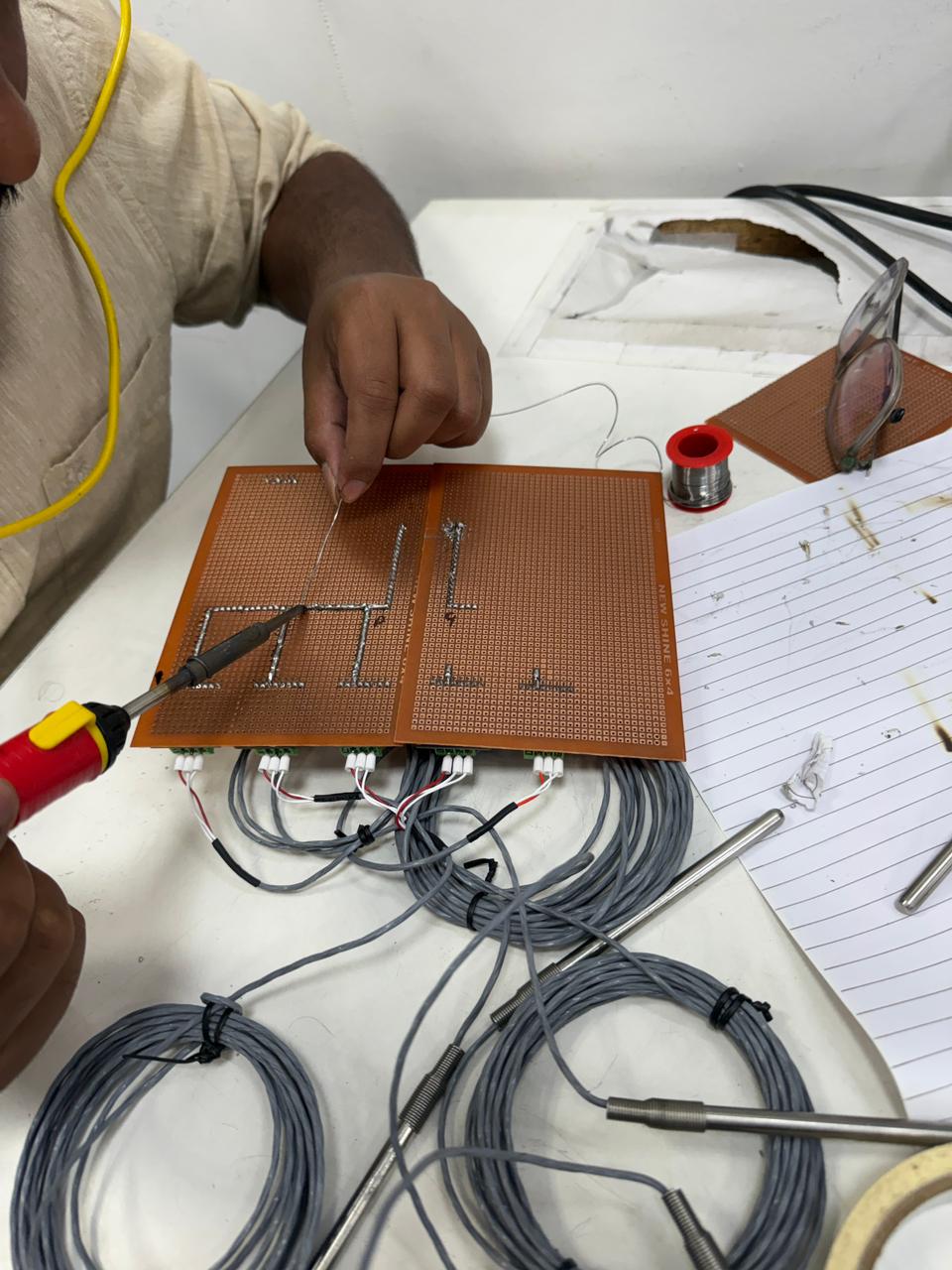
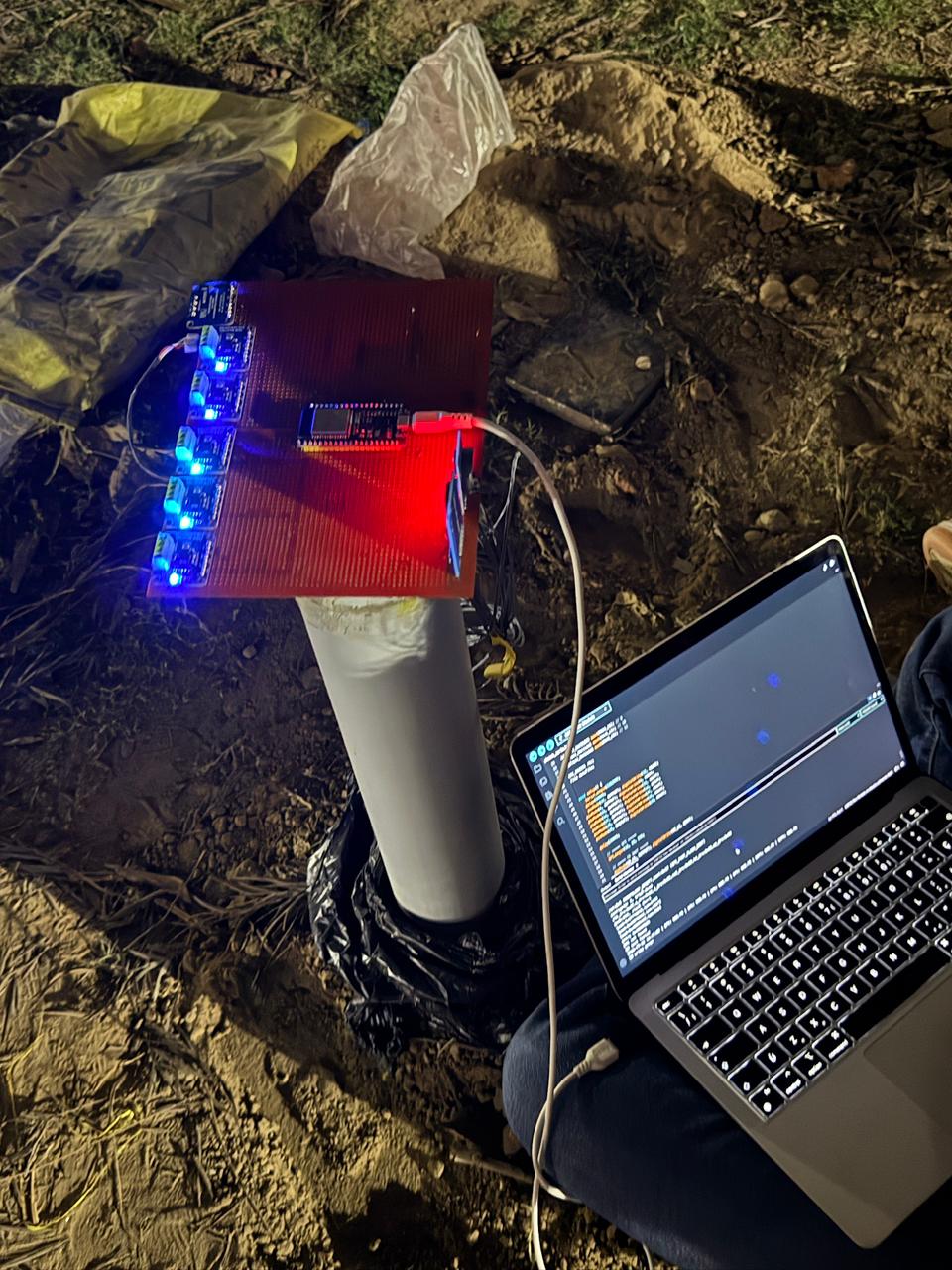
After establishing the concept of our ground temperature sensing system, we moved into the prototyping phase, focusing on developing the electronic architecture required to capture accurate and reliable temperature data. This phase involved selecting appropriate sensors, designing the circuit, and integrating microcontrollers to enable continuous data collection and monitoring. Our objective was to build a prototype that could operate in real ground conditions while maintaining precision and durability. Through iterative testing and improvements, this stage transformed our concept into a working prototype, bringing us one step closer to deploying an intelligent geoThermal monitoring solution.
Join Us
Be the part of this amazing journey